
Derealisation Symptoms: Why the World Feels Unreal
Derealisation Symptoms: Why the World Feels Unreal

Written By: Kelly Chan Jia Li, Clinical Psychologist (MAHPC(CP)00353)
Understanding Derealisation Symptoms: When the World Feels Unreal
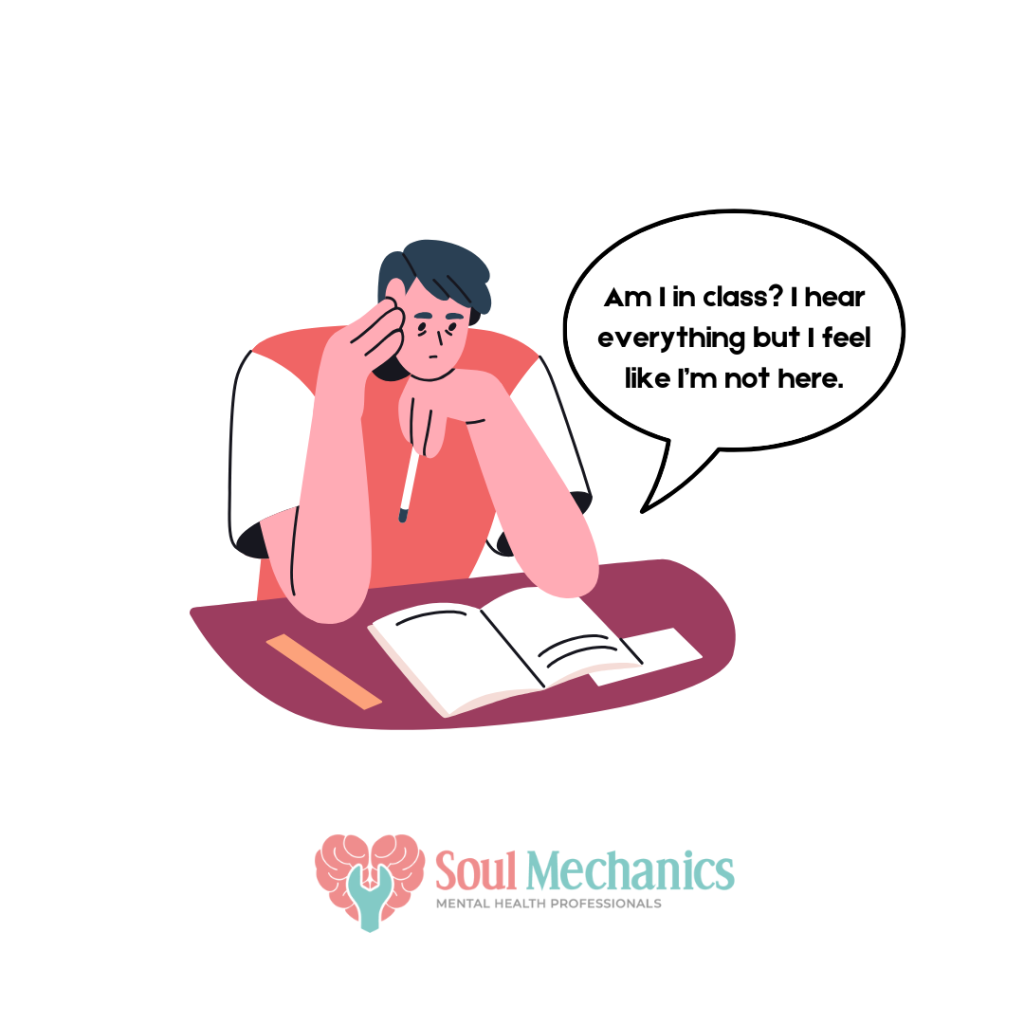
Derealisation symptoms can make the world feel distant, dreamlike, or strangely unfamiliar. Imagine walking through a busy street yet feeling emotionally detached from everything around you, as if reality has lost its clarity. Many individuals experiencing derealisation symptoms worry that something is seriously wrong, when in fact this experience is often the nervous system’s response to overwhelming stress or anxiety.
Although unsettling, derealisation is more common than many Malaysians realise, especially during periods of emotional exhaustion or chronic anxiety.
What Are Derealisation Symptoms?
Derealisation symptoms describe a psychological experience where the external environment feels unreal despite knowing logically that everything is real.
Common Derealisation Symptoms People Experience
Derealisation symptoms may include:
- Blurry or fog-like vision
- Sounds feeling distant or muted
- Emotional numbness toward surroundings
- Altered sense of time
- Familiar places feeling unfamiliar
Why Derealisation Happen
Stress and Anxiety Behind Derealisation Symptoms
When anxiety remains elevated for long periods, the brain shifts into survival mode...
You may explore emotional trigger responses further in
Why You React the Way You Do: Emotional Triggers
Derealisation symptoms frequently appear after emotional or psychological overwhelm.
Related reading: Second-Hand Trauma: When Others’ Pain Starts to Feel Like Your Own
What Do Derealisation Symptoms Feel Like?
Derealisation symptoms can vary from person to person. Nevertheless, many describe similar experiences, such as:
- Feeling as though you are living in a dream or movie
- Blurry or visually flat surroundings
- Sounds appearing distant or muffled
- Emotional numbness toward familiar people or places
- Altered perception of time
- A sense of disconnection from reality
Although these sensations feel frightening, they are not dangerous. Instead, they reflect how the brain responds to overwhelming stress.
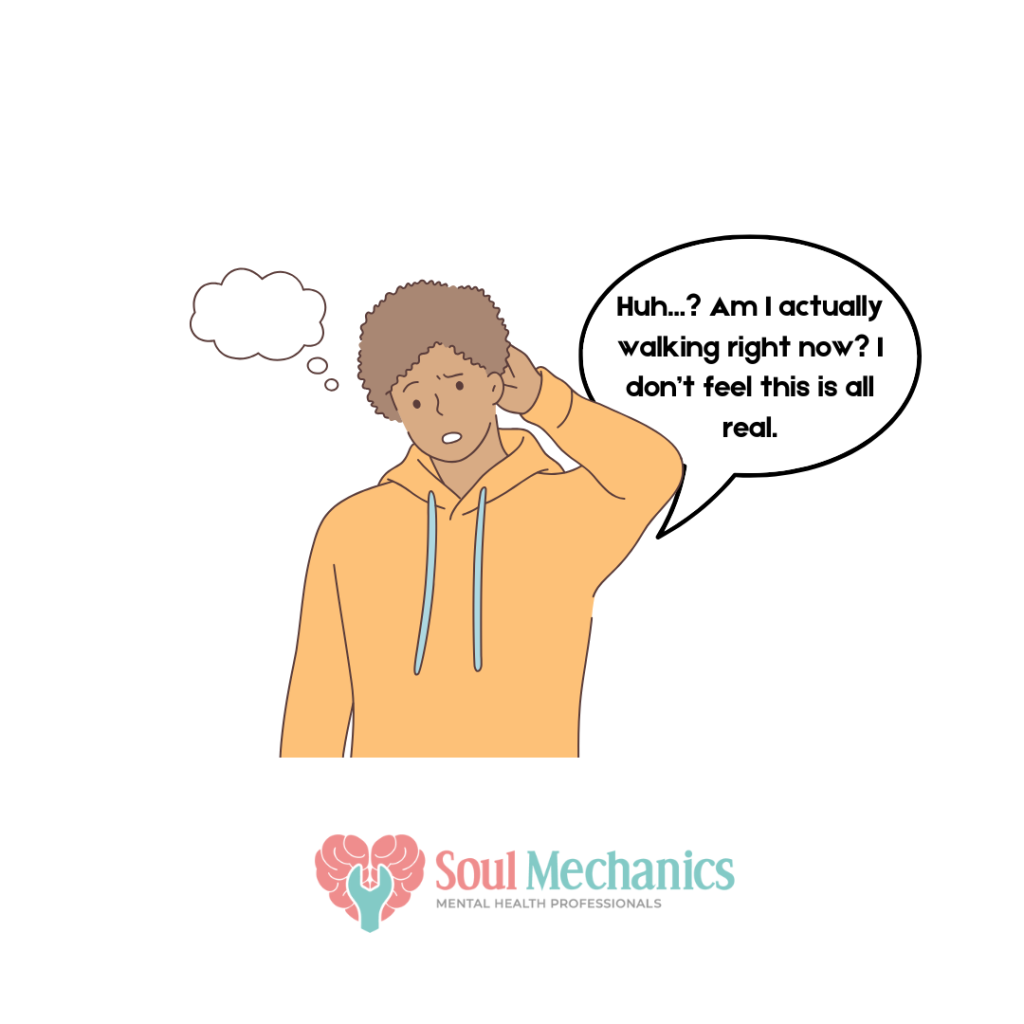
Derealisation vs Depersonalisation
While derealisation symptoms affect perception of the external world, depersonalisation affects how individuals experience themselves.
- Derealisation: The world feels unreal or distant.
- Depersonalisation: You feel detached from your body or identity.
Understanding this difference can reduce fear and confusion.
Are Derealisation Symptoms Dangerous?
No. Derealisation is not harmful and does not mean you are losing control.
According to the International Society for the Study of Trauma and Dissociation (ISSTD), dissociative experiences commonly occur when the nervous system attempts to cope with overwhelming stress.
However, persistent symptoms lasting weeks or months may signal underlying anxiety or trauma that benefits from professional support.
How to Cope With Derealisation Symptoms
Although derealisation feels distressing, grounding the nervous system often reduces symptoms.
Grounding Techniques
Grounding reconnects attention to the present moment.
Try the 5-4-3-2-1 exercise:
- Name 5 things you see
- 4 things you can touch
- 3 things you hear
- 2 things you smell
- 1 thing you taste
This gently signals safety to the brain.
Slow Breathing
Deep breathing activates the parasympathetic nervous system, helping reduce fight-or-flight activation.
Inhale for four seconds → hold → exhale slowly.
Over time, this restores emotional regulation.
Reframe Fearful Thoughts
Derealisation often worsens when fear increases.
Instead of:
“Something is wrong with me.”
Try:
“My nervous system is overwhelmed, and this feeling will pass.”
Create Predictable Daily Routines
Consistent sleep, meals, movement, and relaxation help restore familiarity and stability, which counteracts feelings of unreality.
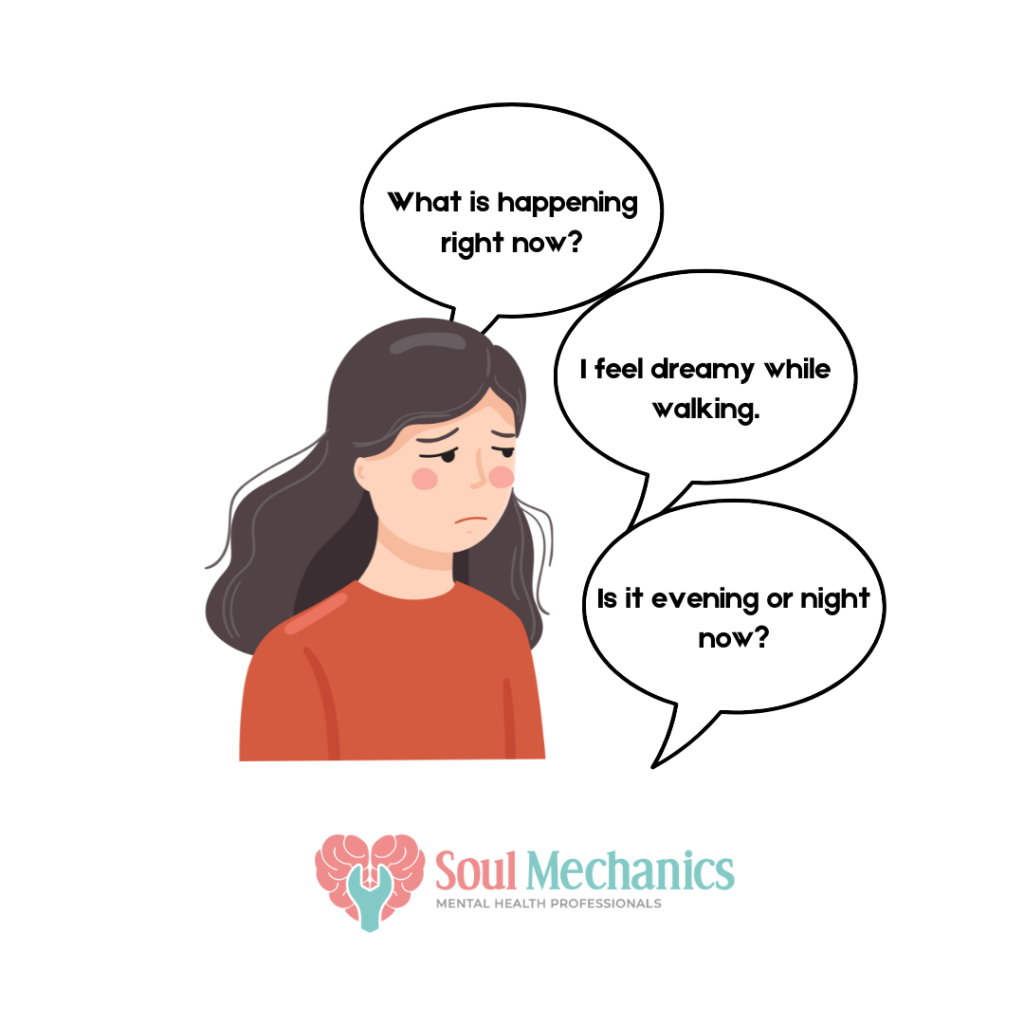
Derealisation Treatment and Therapy Support in Malaysia
If derealisation symptoms persist or interfere with daily functioning, therapy can help address the underlying causes safely.
Mental health education by the Ministry of Health Malaysia also highlights how prolonged stress and anxiety can affect perception and emotional regulation.
Therapeutic approaches may include:
- Cognitive Behavioural Therapy (CBT)
- Trauma-informed therapy
- Mindfulness-based regulation
- EMDR therapy for trauma processing
Individuals experiencing derealisation symptoms in Malaysia may benefit from professional psychological support. At Soul Mechanics Therapy in Kota Damansara and Ipoh, therapists support clients experiencing anxiety-related dissociation, trauma responses, and emotional overwhelm using evidence-based approaches.
Frequently Asked Questions About Derealisation
Yes. Anxiety is one of the most common triggers, especially during prolonged stress.
Episodes may last minutes or longer depending on stress levels and nervous system regulation.
Yes. With reduced anxiety and emotional processing, most individuals recover fully.
If symptoms feel persistent or frightening, therapy helps identify triggers and restore emotional stability.
A Message of Hope
Derealisation can feel frightening because it alters how reality feels. Yet it is important to remember that this experience is not permanent. It is a temporary response from a mind trying to protect itself.
You are not losing control.
You are not broken.
Your nervous system is asking for rest and safety.
With understanding, grounding, and appropriate support, reconnecting with reality becomes possible again — one calm moment at a time.
If You Need Support
If derealisation symptoms continue affecting your wellbeing, speaking with a mental health professional can help you understand what your mind may be responding to beneath the surface.
Support is available whenever you feel ready.
If you enjoyed reading this, why not broaden the horizon of knowledge by learning about "Depersonalization: Experiencing The Unreal"? You can read the blog here.
For more content related to mental health do follow us on our official Instagram.