
Long-Distance Relationships Psychology: Making Love Work
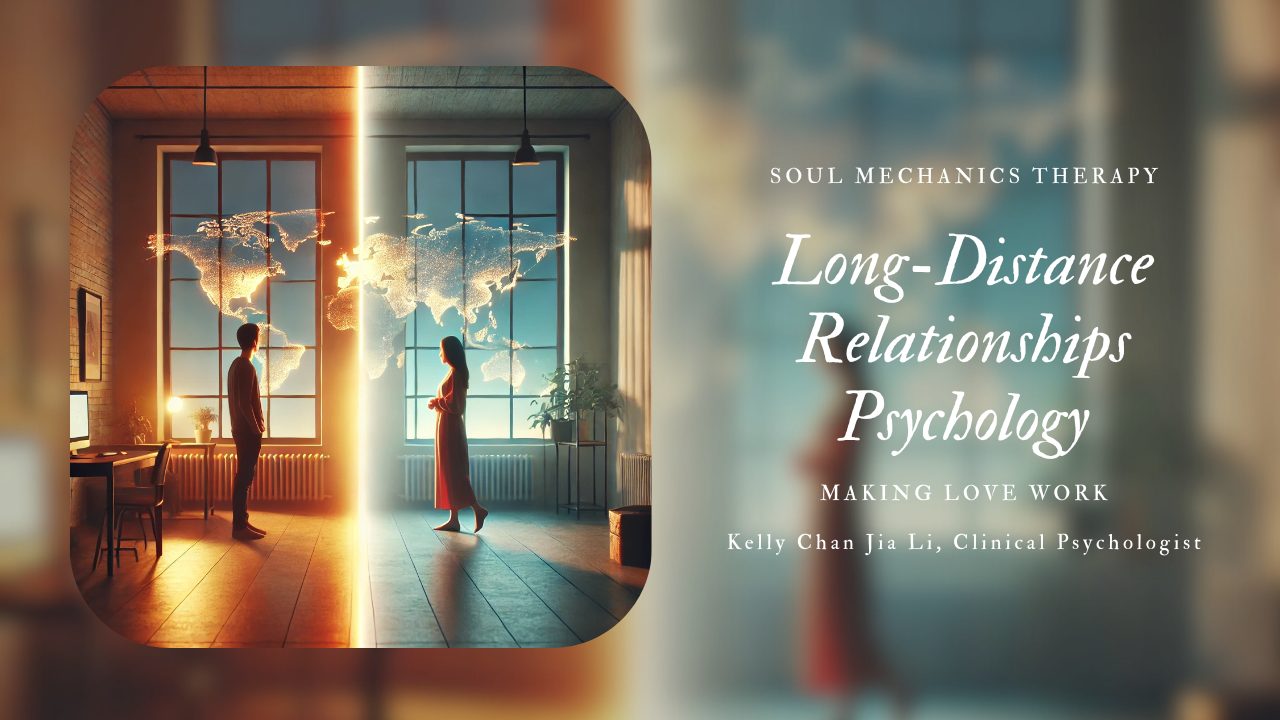
Long-Distance Relationships Psychology: Making Love Work
Long-distance relationships can feel emotionally challenging, especially when love exists across time zones, countries, or demanding life transitions. Many couples in Malaysia today experience long-distance relationships due to career relocation, overseas education, or family responsibilities.
Being apart from someone you love can feel like trying to hug through a screen; emotionally close, yet physically distant. However, psychological research shows that long-distance relationships are not doomed to fail. In fact, many couples develop stronger communication, emotional intimacy, and trust through distance when handled intentionally.
So what really happens psychologically when couples love across miles and how can relationships remain healthy despite distance?
The Emotional Reality of Long-Distance Relationships
Loneliness and the Need for Connection
One of the most common challenges in long-distance relationships is loneliness. Daily routines feel incomplete without shared presence whether it is meals, celebrations, or quiet moments together.
From a psychological perspective, humans are wired for attachment and closeness. Therefore, physical separation naturally activates emotional longing. Feeling this absence does not mean the relationship is weak; rather, it reflects normal attachment needs.
Insecurity and Overthinking in Long-Distance Relationships
Without physical reassurance such as tone of voice or body language, the mind often fills gaps with assumptions.
For example:
- A delayed reply may feel like emotional distance.
- Silence may trigger fears of rejection.
- Busy schedules may be misinterpreted as loss of interest.
Consequently, overthinking becomes common in long-distance relationships. Healthy couples learn to replace assumptions with communication instead of avoidance.
Misunderstandings Across Time Zones
Psychologically, distance increases something known as misattribution bias; interpreting neutral situations negatively.
A partner sleeping due to time differences may unintentionally appear dismissive. In reality, most conflicts in long-distance relationships arise from logistics rather than reduced affection.
Understanding this reduces unnecessary emotional escalation.
How Long-Distance Relationships Can Strengthen Emotional Bonds
Communication Becomes More Intentional
Because physical presence is limited, partners rely heavily on emotional expression.
Instead of surface-level conversations, couples often ask deeper questions such as:
- “What stressed you today?”
- “What made you feel proud this week?”
As a result, emotional intimacy may deepen faster than in geographically close relationships.
Trust Becomes the Core Foundation
Trust functions as the psychological anchor of long-distance relationships.
Healthy trust develops through:
- consistency,
- transparency,
- emotional reliability,
- and keeping small promises.
When partners repeatedly show emotional availability, distance becomes less threatening.
Practical Strategies That Help Long-Distance Relationships Work
Create Predictable Relationship Rituals
Routine reduces uncertainty and anxiety.
Helpful rituals include:
- daily good morning or good night messages,
- scheduled weekly video calls,
- shared activities such as watching shows together.
Predictability provides emotional safety despite physical distance.
Set Clear Communication Expectations
Unspoken expectations often create unnecessary conflict.
Couples benefit from discussing:
- communication frequency,
- emotional boundaries,
- conflict resolution styles,
- reassurance needs.
Clear agreements prevent resentment from building silently.
Reframe Distance as Growth
Although separation feels painful, distance can also promote independence and personal development.
Time apart allows individuals to:
- pursue career goals,
- strengthen identity,
- maintain friendships,
- develop emotional maturity.
Interestingly, research highlighted by the American Psychological Association shows that autonomy and secure attachment often strengthen long-term relationship satisfaction.
Psychological Pitfalls in Long-Distance Relationships
Over-Reliance on Technology
While messaging maintains connection, constant availability expectations may create pressure.
Technology should function as a bridge, not emotional surveillance.
Idealising the Relationship
Distance sometimes creates unrealistic perceptions of perfection.
Therefore, sharing everyday struggles not only highlights, maintains authenticity and emotional realism.
Neglecting Personal Life
Healthy long-distance relationships allow space for individuality. Sacrificing friendships or personal wellbeing for constant communication often leads to emotional exhaustion.
When Long-Distance Relationships Become Emotionally Difficult
If distance begins creating repeated conflict, insecurity, or emotional withdrawal, underlying relational patterns may need attention.
You may also notice overlaps with:
- communication breakdown,
- attachment anxiety,
- or emotional disconnection.
You may also find it helpful to read Why Emotional Triggers Affect Relationships.
When Professional Support Can Help
Couples therapy can help partners:
- rebuild emotional security,
- improve communication patterns,
- manage jealousy or anxiety,
- prepare for reunification transitions.
Relationship counselling provides a neutral space where both partners feel heard, even when miles apart.
For evidence-based relationship guidance, resources from the Gottman Institute also emphasise emotional responsiveness as a key predictor of relationship success.
Love That Grows Stronger Across Miles
Long-distance relationships challenge emotional endurance, yet they also create opportunities for deeper connection.
Distance does not weaken love by default. Instead, relationships thrive when partners repeatedly choose honesty, effort, and emotional presence despite separation.
Ultimately, closeness is not defined by geography but by emotional safety, shared commitment, and trust.
If two people continue choosing each other across distance, they are already building resilience that supports long-term partnership.
If distance has begun affecting trust, communication, or emotional closeness, speaking with a relationship therapist can help couples reconnect and navigate long-distance challenges more safely.
Frequently Asked Questions
A long-distance relationship refers to a romantic partnership where partners live in separate locations and rely primarily on communication and planned visits to maintain emotional connection.
Yes, long-distance relationships can work when couples maintain emotional trust, consistent communication, shared expectations, and future plans to reunite. Research shows relationship satisfaction depends more on communication quality than physical proximity.
They usually fail due to unclear expectations, lack of trust, or absence of long-term plans rather than distance itself.
Healthy long-distance couples focus on consistent and meaningful communication rather than constant messaging.
Couples may benefit from therapy when distance creates recurring conflict, insecurity, or communication breakdown.
Regular emotional check-ins, shared routines, and honest conversations help maintain closeness.

Written By: Kelly Chan Jia Li, Clinical Psychologist (MAHPC(CP)00353)
This article was prepared by Ms Kelly Chan Jia Li, Registered Clinical Psychologist (MAHPC(CP)00353), who provides therapy for relationship concerns, anxiety, trauma, and emotional wellbeing at Soul Mechanics Therapy Centre in Malaysia.