
Sexual Desire & Intimacy: Why Libido Changes in Relationships
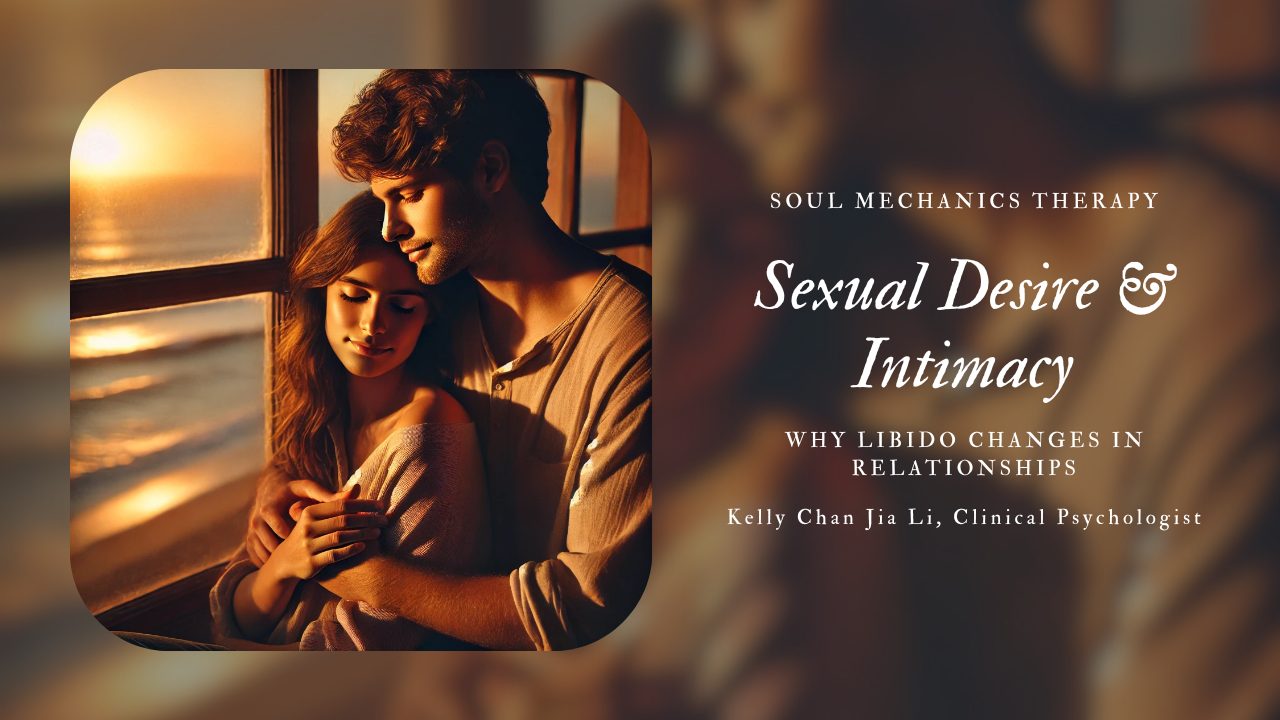
Sexual Desire & Intimacy: Why Libido Changes in Relationships

Written By: Kelly Chan Jia Li, Clinical Psychologist (MAHPC(CP)00353),
Understanding Sexual Desire and Intimacy: Why Libido Changes Over Time
Sexual desire and intimacy naturally shift across different stages of life, yet many people worry when their libido rises and falls. In reality, sexual desire is influenced by emotional safety, mental health, physical wellbeing, and relationship dynamics. Instead of assuming something is “wrong,” it can be helpful to understand how your mind and body respond to stress, connection, and daily life experiences.
For example, when stress increases, the nervous system often prioritizes survival rather than pleasure. Therefore, changes in desire are not always about attraction they are often signals from your emotional and physical world.
If you’ve previously explored how emotional triggers affect relationships, you may notice similar patterns here, as emotional safety strongly shapes intimacy.
Different Sexual Desire Styles and Intimacy Patterns
Understanding sexual desire and intimacy begins with recognising that people experience desire differently. While some individuals feel attraction suddenly, others need emotional connection or the right environment first.
Spontaneous Desire
Some people experience desire unexpectedly and may initiate intimacy more frequently. However, this is only one style among many.
Responsive Desire
Meanwhile, responsive desire develops after closeness begins. Touch, emotional conversations, or affection can gradually create attraction.
Context-Dependent Desire
In addition, environment plays a significant role. Stressful surroundings, fatigue, or emotional tension can reduce libido, whereas safety and relaxation can encourage intimacy.
Because partners often have different desire styles, open communication becomes essential for mutual understanding.
How Stress and Mental Health Influence Sexual Desire
Stress is one of the strongest influences on sexual desire and intimacy. When the brain perceives pressure, cortisol rises and the nervous system shifts into protection mode. As a result, libido may decrease even when the relationship itself feels secure.
For Malaysian readers balancing work pressure, family expectations, and social media exposure, emotional fatigue can quietly impact intimacy. According to mental health resources shared by the Ministry of Health Malaysia, chronic stress can affect both emotional wellbeing and physical health.
Similarly, anxiety or unresolved emotional triggers may create distance in relationships. If you notice strong emotional reactions affecting connection, you may find it helpful to explore our article on emotional triggers and relationships.
Relationship Dynamics and Emotional Safety
Sexual desire and intimacy often reflect the emotional climate between partners. When individuals feel heard and respected, connection becomes more natural.
Communication Builds Connection
Firstly, honest conversations about fears, boundaries, and expectations reduce misunderstanding. Many couples realize that desire is not absent it has simply been overshadowed by emotional stress.
Emotional Safety Supports Desire
Furthermore, unresolved conflict or resentment can quietly lower intimacy. Therefore, regular emotional check-ins help rebuild closeness over time.
If communication challenges feel familiar, you might also relate to patterns described in our relationship anxiety article.
Lifestyle Factors That Shape Libido
Daily habits strongly influence sexual desire and intimacy. Small lifestyle adjustments can make a noticeable difference.
Movement and Physical Health
Regular exercise improves circulation, mood, and energy levels. Consequently, many people experience improved emotional connection as physical wellbeing increases.
Nutrition and Balanced Energy
Meanwhile, balanced nutrition supports hormonal stability. Poor eating patterns, however, can lead to fatigue and reduced interest in intimacy.
Sleep and Emotional Regulation
In addition, consistent sleep allows the nervous system to recover. Without enough rest, emotional patience and desire may decline.
For additional lifestyle guidance, resources such as WHO Mental Health & Wellbeing provide practical information about stress management.
Introducing Curiosity and Novelty Gently
Over time, routines can make intimacy feel predictable. Therefore, introducing novelty through shared experiences, emotional vulnerability, or playful connection can help partners reconnect.
Importantly, curiosity should come from mutual respect rather than pressure. When couples explore together gently, intimacy often becomes more relaxed and authentic.
Hormonal and Biological Factors in Sexual Desire
Hormonal shifts during pregnancy, menopause, or medication use can also influence libido. Because these changes are biological rather than emotional failures, seeking medical advice or therapy can help individuals understand their bodies with greater compassion.
Sexual wellbeing is part of overall mental health. In fact, learning how stress affects the nervous system can deepen awareness of intimacy patterns.
Reflection: Reframing Sexual Desire and Intimacy
Sexual desire is not a fixed measure of love or attraction. Instead, it evolves alongside emotional safety, life transitions, and personal wellbeing.
Rather than asking,
“What’s wrong with us?”
consider asking,
“What does our relationship need right now; rest, connection, understanding, or support?”
With patience and awareness, sexual desire and intimacy can become less about performance and more about meaningful connection.