
Who Are You When You Are Alone? Understanding Emotional Masking and Authentic Self
Who Are You When You Are Alone? Understanding Emotional Masking and Authentic Self
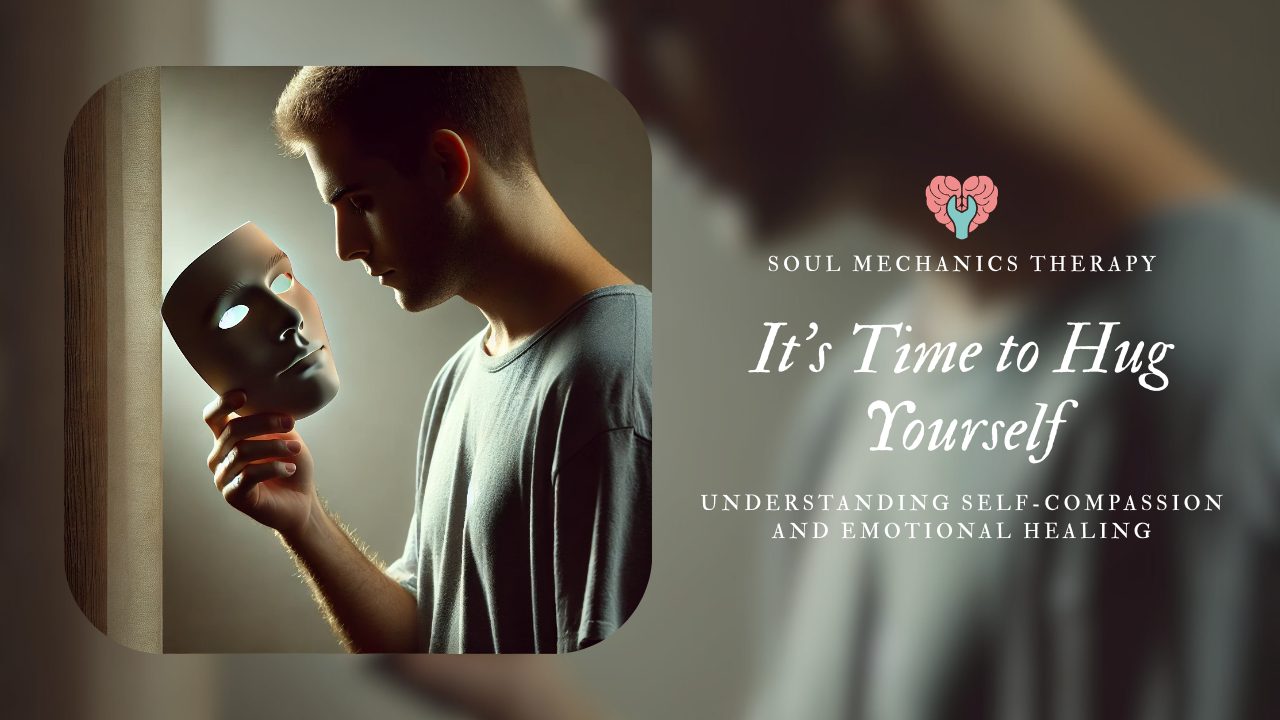
Many people notice that they behave differently depending on where they are or who they are with. This experience is often connected to emotional masking, a psychological pattern where individuals hide parts of themselves to feel accepted, safe, or understood.
When alone, some people feel relief. The pressure to perform, meet expectations, or maintain a social role disappears. In these moments, individuals may reconnect with thoughts, emotions, or identities that feel more genuine.
Understanding emotional masking can help individuals explore their identity, emotional needs, and relationship patterns with greater awareness.
If you would like a broader understanding of how emotional patterns influence relationships and self-perception, you may explore our Relationship Psychology Guide.
What Is Emotional Masking?
Emotional masking refers to the conscious or unconscious effort to hide thoughts, emotions, or personality traits in social environments.
People may adopt different roles such as employee, student, partner, or friend. While adaptability is a normal part of social functioning, prolonged masking can sometimes lead to emotional disconnection or confusion about one’s identity.
Masking may develop as a response to:
- Social expectations
- Fear of judgment or rejection
- Low self-confidence
- Emotional coping mechanisms
- Past relational experiences
These patterns often begin early in life and may continue into adulthood.
Why Do People Hide Their Authentic Self?
Emotional masking is rarely intentional. It often develops as a protective strategy shaped by past experiences.
Fulfilling External Expectations
Some individuals feel pressure to meet family, cultural, or societal expectations. Over time, this may lead to prioritising others’ approval over personal authenticity.
Low Self-Confidence
When self-doubt is present, individuals may rely on others’ opinions to shape their behaviour, gradually losing connection with their own needs or values.
Emotional Adaptability
Masking can serve as a social survival strategy, helping individuals navigate challenging environments or relationships.
Emotional Detachment
Repeated masking may create a sense of emotional distance from one’s own feelings, making it harder to recognise personal needs.
Avoidance of Inner Pain
In some cases, emotional masking helps individuals avoid confronting unresolved emotional experiences or insecurities.
Understanding these patterns can help individuals approach themselves with compassion rather than self-criticism.
Signs You May Be Emotionally Masking
Some individuals only recognise masking after experiencing emotional exhaustion or identity confusion.
Common signs include:
- Feeling different when alone compared to social settings
- Difficulty expressing true opinions or emotions
- Constant concern about how others perceive you
- Emotional fatigue after social interactions
- Uncertainty about personal identity or preferences
These experiences may also relate to self-worth challenges or emotional regulation difficulties. Psychological research shows that emotional suppression and masking can increase stress and emotional fatigue over time.
How Emotional Masking Affects Mental Health and Relationships
Prolonged emotional masking can influence both psychological wellbeing and relationship dynamics.
Emotional Exhaustion
Constantly monitoring behaviour or emotions can create mental fatigue and burnout.
Identity Confusion
Individuals may struggle to understand who they are beyond social roles.
Relationship Disconnection
Authentic connection becomes difficult when individuals feel unable to express their genuine emotions or needs.
Increased Anxiety
Fear of being “seen” or judged may contribute to social anxiety or relationship insecurity.
Recognising emotional masking is often the first step toward emotional healing.
How to Begin the Process of Unmasking
Unmasking does not mean behaving the same in every situation. Instead, it involves gradually allowing more authenticity in relationships and daily life.
Create Intentional “Me Time”
Spending time alone without performance pressure helps individuals reconnect with personal thoughts and emotions.
Acknowledge Fear of Judgment
Rather than forcing confidence, begin by recognising the fear of being judged. Awareness reduces the intensity of emotional reactions.
Reflect on the Purpose of the Mask
Ask yourself whether the behaviour supports self-expression or protects against emotional discomfort.
Practice Self-Acceptance
Developing self-compassion helps individuals trust their internal experiences rather than relying solely on external validation.
Explore Authentic Emotional Expression
Small moments of honesty in safe relationships can gradually build confidence in expressing one’s true self.
Reconnecting With Authentic Identity
Authenticity develops gradually through self-reflection and emotional awareness.
Individuals may begin to notice moments where their internal experiences align with their external behaviour. These moments often feel calmer, more stable, and emotionally congruent.
Over time, unmasking can support:
- Stronger emotional resilience
- Healthier communication patterns
- Greater self-confidence
- More meaningful relationships
Authenticity is not about perfection. It is about allowing oneself to exist without constant emotional performance.
Therapy Support in Kuala Lumpur, Petaling Jaya & Ipoh
If emotional masking, identity confusion, or self-worth concerns affect your wellbeing or relationships, therapy can provide a safe space to explore these experiences.
At Soul Mechanics Therapy, we support individuals and couples across Kuala Lumpur, Petaling Jaya, and Ipoh who are navigating emotional regulation challenges, self-identity concerns, and relationship patterns.
With professional support, individuals can develop greater emotional clarity and build relationships based on authenticity and psychological safety.
This article is for educational purposes and does not replace personalised mental health care.
If you would like to understand how psychological patterns influence relationships and identity, you may read our Relationship Psychology Guide.
You may also explore our Therapist Team Page to learn more about the professionals supporting emotional and relationship concerns.
Meet Our Relationship Experts
At Soul Mechanics Therapy, relationship work is approached with both clinical depth and human understanding. Our therapists support individuals and couples navigating emotional disconnection, attachment wounds, communication breakdown, and trust challenges.
Each therapist brings a distinct therapeutic style shaped by years of clinical experience, psychological training, and real-world relational work. Together, they help clients move beyond repeated emotional patterns and build relationships grounded in emotional safety, awareness, and mutual respect.

Ms Devi – Relationship Dynamics and Emotional Insight
Ms Devi works extensively with couples experiencing communication breakdown, emotional distance, recurring conflict, and trust ruptures. Her clinical approach focuses on helping partners understand the deeper emotional patterns that drive repeated misunderstandings and relational tension.
Clients often describe her sessions as structured, grounding, and emotionally clarifying. She creates a space where both individuals feel heard without judgement, allowing difficult conversations to unfold with safety rather than defensiveness. Many couples report gaining new awareness of how attachment styles, past experiences, and emotional triggers shape their interactions.
Her therapeutic work frequently involves helping couples rebuild emotional trust after experiences such as betrayal, infidelity, or prolonged conflict. Through guided reflection and practical communication strategies, partners learn to navigate differences with greater empathy and emotional responsibility.
Over time, clients often describe feeling more emotionally connected, less reactive during conflict, and better equipped to sustain long-term relational growth.

Ms Kelly – Emotional Regulation and Identity Clarity
Ms Kelly supports individuals who experience relationship anxiety, emotional overwhelm, overthinking, or internal instability within romantic relationships. Her work often focuses on helping clients understand how anxiety, attachment insecurity, and cognitive patterns influence emotional reactions to closeness and conflict.
Clients frequently appreciate her ability to balance warmth with thoughtful psychological insight. She is known for helping individuals recognise subtle emotional patterns that contribute to distress, while also providing practical frameworks for emotional regulation and self-understanding.
Her clinical experience includes working with neurodivergent individuals, including those navigating ADHD-related relational challenges. Many clients report feeling understood in ways they had not previously experienced in therapy, particularly when exploring how cognitive differences influence emotional processing and relationship dynamics.
Through therapy, individuals often develop greater internal stability, clearer emotional boundaries, and increased confidence in navigating relational uncertainty.

Ms Shaundtrya – Self-Worth and Emotional Healing
Ms Shaundtrya’s work centres on helping individuals and couples rebuild emotional safety, self-worth, and authentic communication within relationships. She frequently supports clients who feel unheard, emotionally overwhelmed, or disconnected from their own needs and identity within relational contexts.
Clients often describe her therapeutic presence as deeply compassionate, attentive, and emotionally attuned. Her approach involves gently exploring the emotional narratives that shape relational behaviour, including childhood experiences, generational patterns, and unresolved emotional wounds.
Through this process, individuals begin to understand how their internal world influences their external relationships. Many clients report increased emotional clarity, stronger personal boundaries, and a renewed sense of confidence in expressing their needs.
Couples who work with Ms Shaundtrya often experience improvements in emotional openness, mutual understanding, and the ability to reconnect after periods of conflict or distance.